
How to Care for Wood and Sustainable Furniture So It Lasts for Years
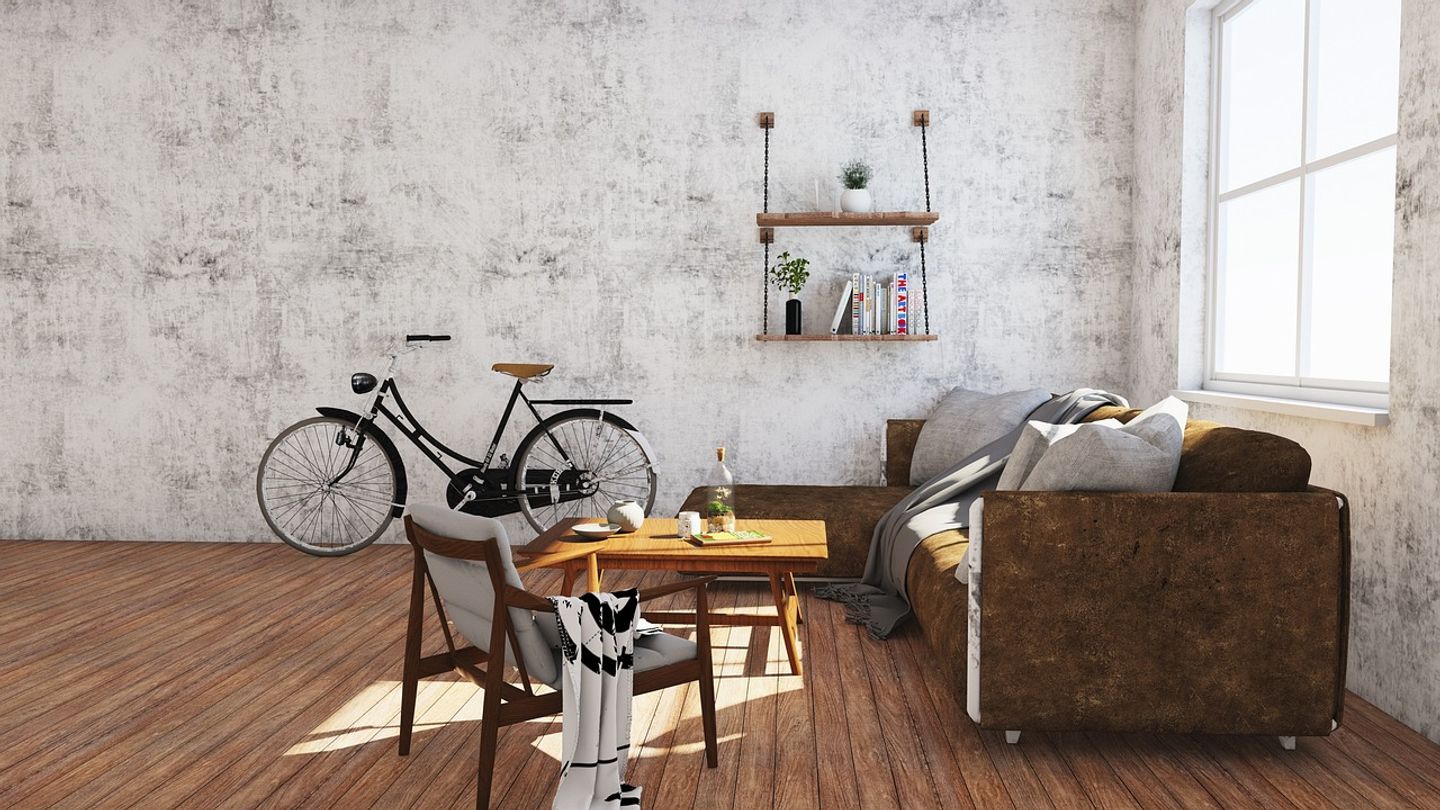
Good furniture is an investment.
With a little regular attention, a solid wood sofa frame, a teak coffee table, or a bamboo shelving unit can last decades instead of years.
Here is what actually makes a difference, without any complicated products or routines.
Why Wood Needs a Little Ongoing Care
Wood is a natural material that responds to its environment.
Heat, humidity, sunlight and moisture all affect it over time. That does not mean it is fragile. It just means a few simple habits go a long way toward keeping it looking and feeling great.
The two biggest threats to wood furniture are:
- Moisture, which causes warping, swelling and mold
- Dryness, which causes cracking, splitting and loose joints
Both are easy to manage once you know what to watch for.
Daily and Weekly Habits
These small routines prevent most damage before it starts.
- Dust with a soft, slightly damp microfiber cloth. Always wipe in the direction of the wood grain, never across it.
- Wipe spills immediately. Do not let water sit on a wood surface even for a few minutes.
- Use coasters under glasses and trivets under anything warm. Heat and water rings are the most common damage on coffee tables and TV stands.
- Avoid aerosol polishing sprays. Many contain silicone that builds up over time and dulls the finish rather than protecting it.
Cleaning Deeper Every Few Months
A light wipe-down is not always enough. Every two to three months, give your wood pieces a proper clean.
- Use a gentle wood-specific cleaner or a few drops of mild soap in warm water, wrung out almost completely before touching the surface.
- Dry the surface thoroughly straight away with a clean cloth.
- After cleaning, apply a thin coat of natural wax or oil (linseed or tung oil work well for most woods) with a soft cloth. Leave it for a few minutes, then buff off the excess. This feeds the wood and keeps the finish from drying out.
For teak specifically, apply teak oil every few months to preserve its natural color and stop it from going grey.
Protecting From Sun, Heat and Humidity
Where you place furniture matters as much as how you clean it.
- Keep wood furniture out of direct sunlight. UV rays fade finishes and dry the wood out faster than almost anything else. Curtains or blinds near windows help a lot.
- Keep pieces away from radiators, heat vents and air conditioning units. Temperature swings cause the wood to expand and contract repeatedly, which loosens joints over time.
- Aim for a consistent indoor humidity level between 40 and 50 percent. In dry winters, a small humidifier near your furniture helps. In humid summers, a dehumidifier or good ventilation does the same job in reverse.

Caring for Sustainable and Natural Materials
If your furniture includes bamboo, rattan, reclaimed wood or FSC-certified timber, the principles are similar but with a few extra notes.
- Bamboo is naturally moisture resistant but still benefits from occasional oiling and should not sit in standing water.
- Rattan and wicker attract dust easily. A soft brush or vacuum attachment keeps them clean. Avoid soaking them.
- Reclaimed wood often has a raw or lightly finished surface. Use a natural oil or beeswax finish rather than chemical varnishes to keep it looking authentic and protect the grain.
- FSC-certified solid wood pieces are built to last generations. Oil or wax them once or twice a year and they will reward you with decades of use.
Choosing sustainable materials in the first place is already a long-term decision. Caring for them properly means fewer replacements and far less waste over time.
Seasonal Check-In Routine
Once every season, spend ten minutes doing a quick check on all your main pieces.
- Look for loose joints or wobbly legs. Tighten screws and apply a small amount of wood glue to any loose connections before they get worse.
- Check for scratches or worn patches on the finish. A little wax or touch-up oil fixes most surface marks before they deepen.
- Rearrange pieces slightly if one side is getting more sun than another, to even out any fading.
What to Avoid
A few habits that seem harmless but quietly damage wood furniture over time:
- Placing plants directly on wood surfaces without a waterproof tray underneath
- Using all-purpose household sprays that contain bleach or ammonia
- Letting cushion covers stay damp after cleaning (moisture transfers to the frame)
- Dragging furniture across floors instead of lifting, which stresses legs and joints
The Bottom Line
Well-made wood furniture does not need much. Dust it regularly, protect it from water and heat, feed it with a natural oil or wax a couple of times a year, and fix small issues before they grow. Do that consistently and a good piece of furniture will outlast the trends it was bought for.